


Why Investing in Early Childhood Education Matters in Australia
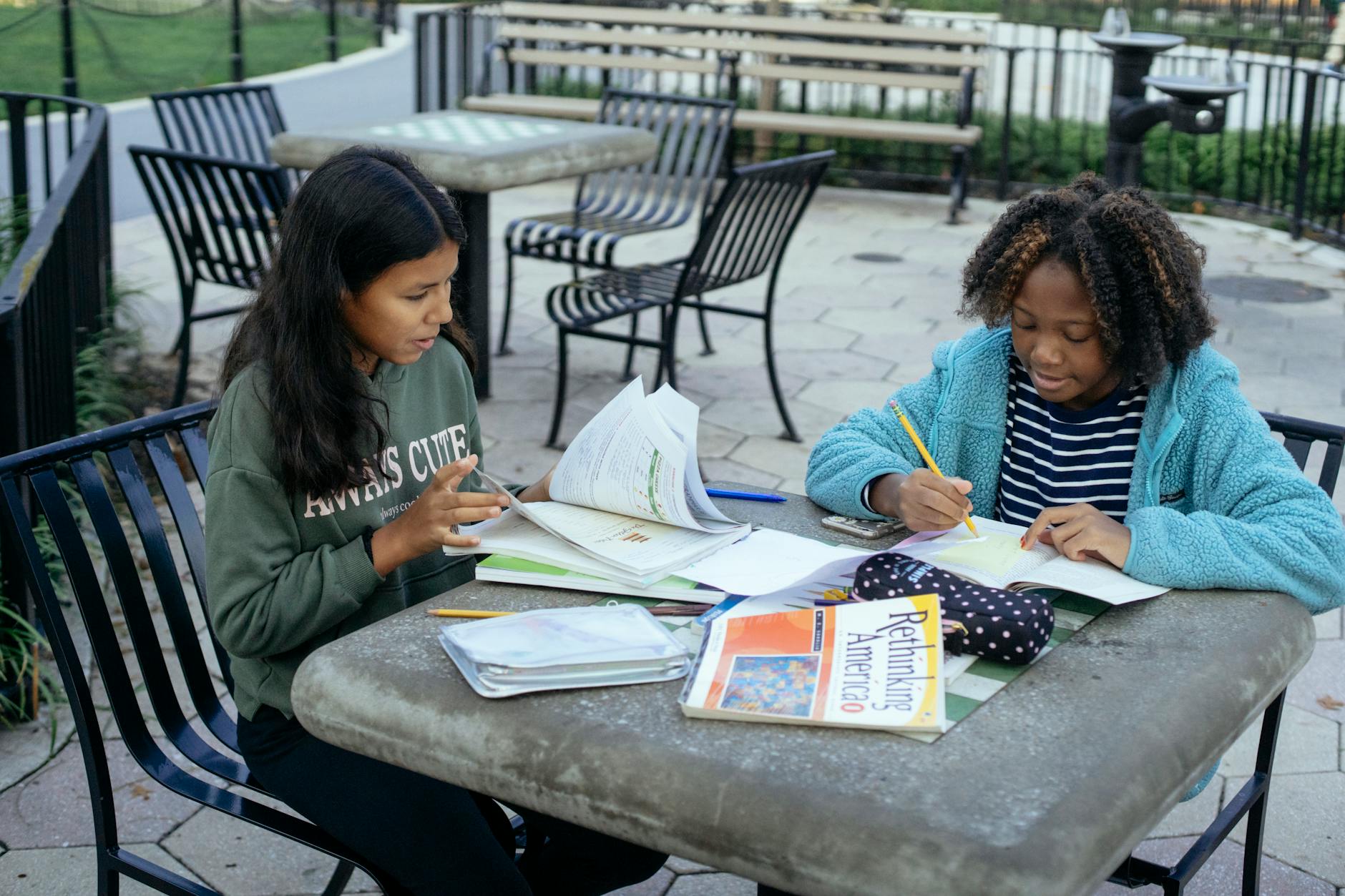
Benefits of Early Education
Investing in early childhood education goes beyond immediate learning; it serves as a strong foundation for both cognitive and social development. As I've seen with my own experiences in Melbourne, environments that are nurturing and educational can significantly enhance a child's cognitive capabilities. Just as the Melbourne Museum's Children's Gallery provides interactive and enriching experiences, quality early education settings foster creativity and problem-solving skills.
Moreover, these early learning spaces play a critical role in the development of social skills. Children are exposed to situations where they learn cooperation, empathy, and communication from an early age, much like the collaborative activities offered at the Royal Botanic Gardens educational programs. This social interaction is instrumental in preparing them for the diverse encounters they'll face throughout their schooling and into adulthood.
The impact doesn't stop at cognitive and social skills—early childhood education can significantly influence lifelong wellbeing. Programs akin to cert 3 childcare and aged care courses online underline the importance of nurturing environments for fostering resilience and adaptability, which are essential life skills.
With such a sturdy educational foundation, children can overcome challenges more effectively when they're older, not simply reacting to life’s demands but steering their paths with confidence. These benefits, much like community events at the Melbourne Zoo, ensure holistic wellbeing by nurturing both the mind and soul.
Economic Importance of Early Education
Boosting Economic Productivity
Investing in early childhood education is a cornerstone for fostering economic productivity in Australia. Quality education from the early years equips children with the skills necessary for future success in the workforce. By laying a robust foundation through programs such as child care courses and a diploma in early childhood education, we nurture critical thinking and problem-solving skills in children which are essential for the evolving job market.
Reducing Long-term Costs
One of the significant advantages of investing in early education is the reduction of long-term costs associated with remedial education and social services. Children who receive quality early education are more likely to excel academically, reducing the likelihood of requiring additional academic support in the future. Moreover, this reduces the burden on secondary and tertiary educational institutions.
Enhancing Workforce Readiness
Early childhood education also plays an integral role in preparing a ready and adaptable workforce. By investing in aged care courses as part of holistic educational strategies, we ensure that children grow into well-rounded individuals, ready to adapt to various careers, including emerging fields. This proactive approach is analogous to the educational programs at the Royal Botanic Gardens, where experiential learning aligns with practical outcomes, emphasizing the importance of adaptable skill sets in enhancing workforce readiness.
Educational Equity
Addressing Disparities
As an empathetic educator based in Melbourne, I’m keenly aware of the educational disparities that exist, particularly when considering the experience of children from diverse backgrounds. Ensuring every child has access to quality early education is crucial, as it sets the groundwork for equitable opportunities later in life. The Melbourne Museum's Children's Gallery serves as a fantastic resource, demonstrating how interactive learning can deliver educational benefits across socio-economic lines by igniting curiosity and fostering a love for learning through exploration.
Supporting Marginalized Communities
When I think of supporting marginalized communities, I’m reminded of the vital role qualified educators play. Engaging with these communities requires strategic educational interventions that acknowledge and respect cultural backgrounds. Credentials such as a diploma of community services or a cert 3 in individual support can be instrumental in equipping individuals with the right skills and perspectives to make meaningful contributions. These qualifications enable educators to craft personalized strategies that resonate with families and effectively address unique challenges.
Building a Stronger Society
Emphasising educational equity not only benefits individuals but also strengthens society as a whole. When we commit to leveling the educational playing field, we build a community where diverse voices contribute to a shared vision, ultimately reinforcing social cohesion. Whether attending community events at local landmarks like the Melbourne Zoo or participating in educational programs at the Royal Botanic Gardens, these vibrant initiatives can help foster a sense of belonging and community. Through collective efforts, we pave the way for a more inclusive and resilient Australia.
Policy Imperatives
Current Government Initiatives
In Australia, various government initiatives focus on supporting early childhood education, recognising its fundamental role in fostering a well-rounded society. Programs encouraging community services courses for educators aim to equip them with better tools and strategies, ensuring that every child receives quality education from their earliest years. Enhanced professional development opportunities, such as mental health courses, are also included to support educators in managing diverse classroom needs effectively.
Advocacy for Increased Funding
An ongoing challenge is advocating for increased funding, which is crucial in maintaining and expanding early childhood education programs. Quality education requires sustained investment in infrastructure and resources, ensuring equitable access for all Australian children. Advocacy often highlights successful case studies and data-driven outcomes to influence policymakers, underscoring the importance of more considerable financial investments in early education fields.
Long-term Strategic Goals
Strategic goals for enhancing early childhood education in Australia focus on integrating educational strategies that promote inclusivity and adaptability. By prioritizing comprehensive resource allocation and ongoing support for educators, these goals aim to foster an environment where all children, regardless of background, benefit from robust early learning experiences. Developing policies that ensure consistent quality across education systems aligns with the broader objective of equipping the future workforce with essential skills and knowledge.
By setting and achieving these policy imperatives, Australia can aspire to provide an inclusive and empowering educational landscape, nurturing the next generation's potential to contribute meaningfully to society.
Overcoming Resource Limitations
Resource limitations can pose significant hurdles to early childhood education in Australia, but there are strategic ways to address these challenges. Participating in community events at the Melbourne Zoo or joining educational programs at local landmarks like the Royal Botanic Gardens can be an excellent way for parents to complement school resources. These venues often offer engaging programs tailored for young learners, enabling children to gain hands-on experiences beyond the classroom. Collaboration with local institutions is key to enhancing educational quality without solely relying on traditional resources.
Addressing Technological Barriers
Technology integration in education has significant potential but can also be daunting when access is uneven. Bridging the digital divide starts at home. Encouraging children to explore interactive exhibits at the Melbourne Museum's Children's Gallery can foster digital literacy in a playful setting. Additionally, parents can seek support from community and school initiatives that provide technology access and training. By actively involving themselves and their children in such programs, parents empower their families to navigate and utilise technology more effectively.
Balancing Quality and Accessibility
Ensuring that early childhood education is both high-quality and accessible remains a primary concern for many parents. It is essential for families to voice their needs at local community forums and during school meetings to drive better policy outcomes. Educational strategies that incorporate diversity and local culture can enhance both the relevance and availability of programs. By advocating for inclusive and community-backed solutions, parents take a pivotal step toward securing accessible education for all children.